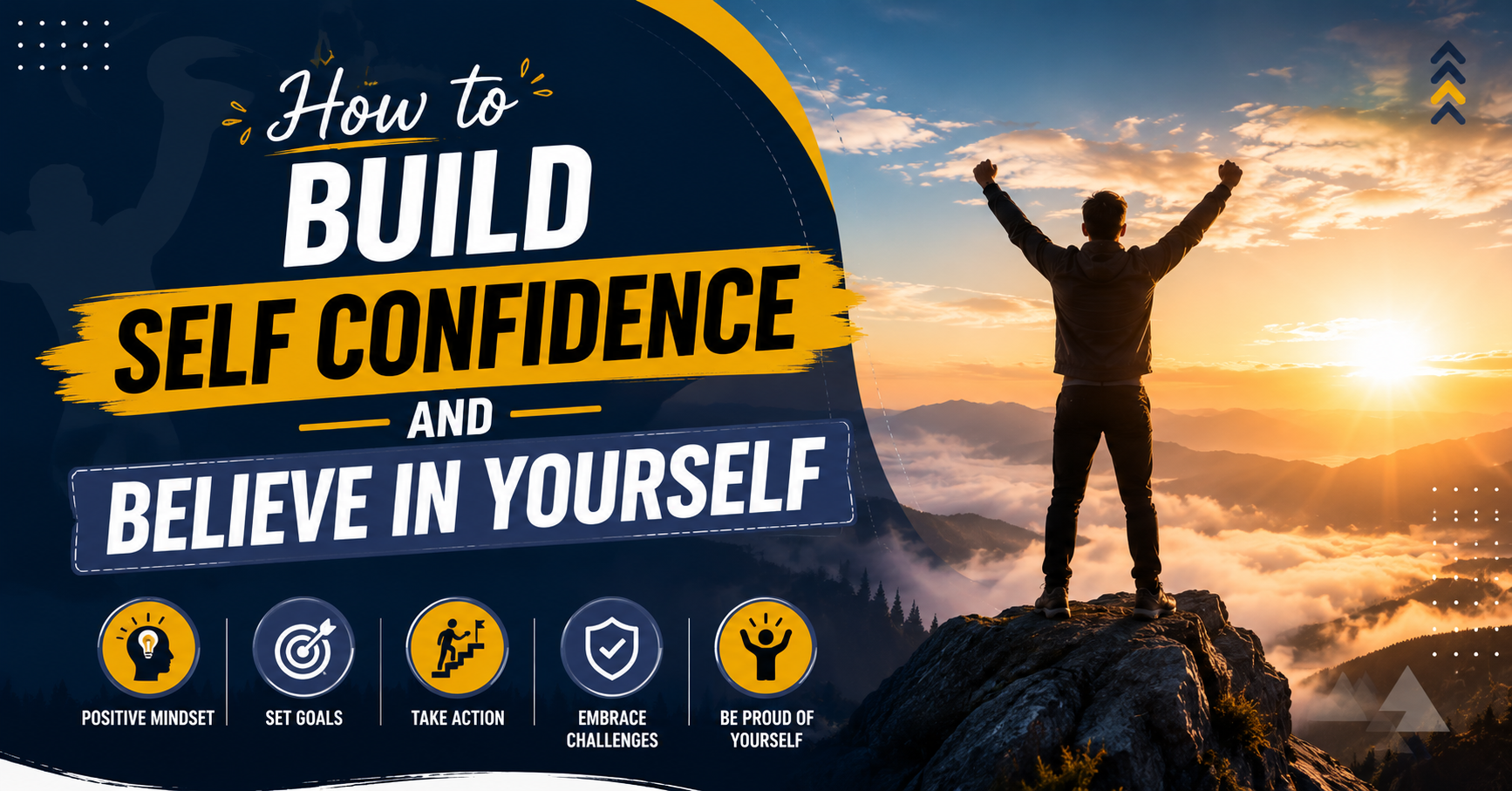
You know that moment when you have something valuable to say, but you stop yourself because you start thinking about what others might think. Maybe you wanted to share an idea at work, apply for a better opportunity, start something new, or simply express your opinion, but self doubt held you back.
Many people experience this silently every day. They have abilities, dreams, and potential, yet fear, overthinking, and the need for approval prevent them from taking action.
Building self confidence is not about changing your personality or becoming fearless overnight. It is about learning to trust your abilities, accept mistakes, and take small steps that prove to yourself that you are capable of more than you believe.
Why Building Self Confidence Matters More Than You Think
Self confidence affects almost every area of life. It influences how you communicate with others, how you make decisions, how you handle problems, and how willing you are to try new things.
A person with healthy confidence does not always feel comfortable or fearless. They simply believe they can handle situations even when things do not go perfectly.
For example, consider two employees preparing for the same presentation. One employee may have the same knowledge as the other but avoids speaking because they fear criticism.
The second employee may feel nervous but still presents their ideas. The difference is not always talent. Often, it is the belief that they can manage the situation.
When you learn how to build self confidence and believe in yourself, you create a stronger relationship with your own abilities. You stop waiting for constant approval from others and start trusting your own decisions.
This does not mean ignoring advice or feedback. It means understanding that your value is not decided by one mistake, one rejection, or one person’s opinion.
Confidence also helps you recover faster from challenges. Everyone faces failures, disappointments, and difficult moments.
People with stronger self belief are not protected from problems. They simply respond differently. Instead of thinking a failure means they are not capable, they see it as a chance to learn and improve.
Where Your Lack of Confidence Comes From
Before improving your confidence, it helps to understand why you struggle with self doubt. Many people try to force positive thinking without discovering the real reasons behind their insecurity.
As a result, their confidence improves temporarily but disappears when they face pressure. Low self confidence often develops from repeated experiences.
Constant criticism, comparing yourself with others, past failures, rejection, or unrealistic expectations can slowly change the way you see yourself. Over time, you may start focusing only on your weaknesses while ignoring your strengths and achievements.
A common example is someone who failed an important exam once. Instead of seeing it as one difficult moment, they may start believing they are not intelligent enough. This belief can affect future performance because fear takes control before they even begin.
Social comparison is another major reason people lose confidence. Today, many people compare their normal daily life with the best moments shown by others online.
They see someone’s success, confidence, or lifestyle and assume that person has no struggles. This creates unnecessary pressure and makes their own progress feel smaller. The truth is that confidence grows when you understand your own story.
Your past experiences may influence your beliefs, but they do not have to control your future. Recognizing negative patterns is the first step toward changing them.
Start With Small Actions That Create Real Confidence
Many people wait until they feel confident before taking action. This is one of the biggest mistakes when trying to improve self confidence. Confidence usually does not appear first. It develops after you take action and prove to yourself that you can handle challenges.
Think about learning any new skill. When someone learns to drive, they do not become confident by thinking about driving. They become confident by practicing again and again. The same rule applies to communication skills, professional growth, fitness goals, and personal development.
Start with small promises that you can keep. If you decide to read for fifteen minutes, complete it. If you plan to exercise three times a week, follow through. If you want to speak more during meetings, start by sharing one idea. These small achievements may seem simple, but they build trust between you and yourself.
Every time you complete a goal, your brain receives evidence that you are capable. This evidence becomes the foundation of self belief. Over time, small wins create a stronger identity. You begin seeing yourself as someone who takes action instead of someone who only thinks about change.
A practical way to build confidence is to create daily confidence habits. Write down three things you completed each day. Notice the skills you are improving. Remember situations where you handled difficulties successfully. These reminders help your mind focus on progress instead of only problems.
Change Your Inner Conversation and Develop Positive Self Talk
The way you talk to yourself has a powerful effect on your confidence. Many people have a negative inner voice that constantly points out mistakes and weaknesses. They may say things to themselves that they would never say to a friend.
Imagine your friend preparing for an interview. Would you tell them they are going to fail and embarrass themselves. Most people would offer encouragement and support. However, many people use harsh words when speaking to themselves.
Improving self talk does not mean pretending everything is perfect. It means replacing harmful thoughts with realistic and supportive ones. Instead of saying I am not good enough, you can say I am learning and improving with practice.
Instead of saying I always fail, you can say I faced a difficult situation and I can learn from it.
This small change in thinking can improve your confidence because your mind begins working with you rather than against you.
Positive self talk is not about creating fake confidence. It is about creating a fair and balanced view of yourself. Many successful people develop confidence by controlling their internal dialogue.
They still experience fear and uncertainty, but they do not allow negative thoughts to decide their actions. Learning to manage your inner conversation is one of the most important steps toward believing in yourself.
Stop Waiting for Perfect Confidence Before Taking Action
A common reason people stay stuck is that they believe they need complete confidence before starting something important. They wait for the perfect time, perfect skills, or perfect mindset. Unfortunately, this waiting period can continue for years.
Confidence is built through experience. You become confident at public speaking by speaking. You become confident at making decisions by making decisions. You become confident in your abilities by using those abilities in real situations.
For example, someone who wants to start a business may spend months researching because they are afraid of making mistakes. Learning is valuable, but eventually they need to take action.
The first attempt may not be perfect, but it provides information and experience that cannot be gained through planning alone. Taking action does not mean ignoring preparation.
It means understanding that growth requires movement. Even small steps create progress. A person who takes one small action every day will usually develop more confidence than someone who spends years waiting to feel ready.
The goal is not to remove all fear. The goal is to become stronger than the fear. Confidence comes when you realize that uncomfortable situations are not always dangerous. Sometimes they are simply opportunities to grow.
Develop Skills That Make You Feel More Capable
One of the most practical ways to build self confidence is by improving your skills. Many people struggle with confidence because they feel unprepared. When you increase your knowledge and ability in a specific area, your trust in yourself naturally becomes stronger.
Confidence is not only created through mindset. It also comes from knowing that you have worked hard and developed the ability to handle situations.
For example, if someone feels nervous during interviews, simply telling themselves to be confident may not solve the problem. They can improve their confidence by practicing interview questions, learning communication skills, researching the company, and preparing examples from their experience.
Preparation gives the mind a reason to feel secure.
The same idea applies to every part of life. If you want confidence at work, improve your professional skills. If you want confidence in social situations, practice communication.
If you want confidence in your health journey, learn about exercise and nutrition. Growth creates confidence because it gives you proof that you are becoming better.
Many people focus only on changing their thoughts but ignore building their abilities. Both are important. A confident mindset combined with real skills creates stronger and more stable self belief.
How to Handle Failure Without Losing Confidence
Failure is one of the biggest reasons people stop believing in themselves. A mistake, rejection, or unsuccessful attempt can feel like proof that you are not capable.
However, failure is not a final judgment about your ability. It is information that helps you understand what needs improvement. Almost every successful person has experienced failure. Business owners have launched ideas that did not work.
Athletes have lost important competitions. Writers have received rejection before achieving success. The difference is that they did not allow failure to become their identity.
A person with low confidence often thinks I failed, so I am a failure. A person with healthy confidence thinks I failed, so I need to understand what happened and improve. This small difference changes everything.
When something goes wrong, ask yourself useful questions. What can I learn from this experience. What could I do differently next time. Which skill do I need to improve. These questions turn difficult moments into opportunities for growth.
Learning from failure does not mean enjoying disappointment. It means refusing to let one negative experience decide your future. Your ability to recover from setbacks is a major part of true self confidence.
Improve Your Body Language to Feel More Confident
Your body language affects both how others see you and how you feel about yourself. The way you stand, speak, and move can influence your confidence level. This does not mean pretending to be someone else. It means using your body in a way that supports a confident mindset.
Simple changes can make a noticeable difference. Maintain comfortable eye contact during conversations. Sit or stand with better posture. Speak clearly instead of rushing your words. Take a moment to think before answering instead of immediately apologizing or doubting yourself.
Consider a job interview situation. A person who avoids eye contact, speaks very quietly, and constantly says sorry may appear less confident even if they have strong skills. Another person with the same qualifications may create a stronger impression by communicating calmly and clearly.
Body language works both ways. When you act with confidence, your mind often starts feeling more confident too. Small physical changes can influence your emotional state and help you feel more prepared during important situations.
However, confidence is not about acting superior or dominating others. True confidence looks calm, respectful, and comfortable. It allows you to express yourself while also respecting the opinions of other people.
Build Confidence by Leaving Your Comfort Zone Slowly
Your comfort zone feels safe because it protects you from uncertainty. However, staying inside it for too long can limit your personal growth. Many people avoid opportunities because they fear embarrassment, criticism, or failure.
The result is that they never discover what they are truly capable of achieving. Leaving your comfort zone does not mean making huge changes overnight. It means taking small challenges that slightly stretch your abilities.
Someone afraid of public speaking does not need to give a speech in front of hundreds of people immediately. They can start by speaking during small group discussions.
A person who struggles with meeting new people can begin by starting one simple conversation each week. Someone afraid of sharing ideas at work can start by expressing one opinion during a meeting. These small experiences gradually reduce fear.
Every time you successfully handle a new situation, your confidence grows. Your brain learns that discomfort does not always mean danger. It learns that you can face challenges and adapt.
Growth happens at the edge of your comfort zone. Not far outside it, but just beyond what feels familiar. Small challenges repeated consistently create powerful changes in how you see yourself.
Surround Yourself With People Who Support Your Growth
The people around you can influence your confidence more than you realize. Supportive relationships encourage you to improve, while negative environments can make you question your abilities.
This does not mean everyone around you must agree with everything you do. Honest feedback is important for growth. The difference is the intention behind the feedback.
A supportive person may point out your mistakes but still believe in your ability to improve. A negative person may focus only on your weaknesses and make you feel incapable.
Think about your personal environment. Do the people around you encourage your goals. Do they respect your efforts. Do they make you feel comfortable being yourself.
These questions can help you understand whether your relationships are helping or damaging your confidence. Positive relationships provide emotional support during difficult times.
They remind you of your strengths when you temporarily forget them. A good friend, mentor, or family member can sometimes see your potential before you see it yourself.
At the same time, confidence should not depend completely on other people’s opinions. External support is valuable, but the strongest confidence comes from knowing your own worth and abilities.
Take Care of Your Mental and Physical Health
Confidence is connected to your overall wellbeing. When you constantly feel tired, stressed, or mentally overwhelmed, it becomes harder to believe in yourself. Taking care of your physical and mental health creates the energy needed to handle challenges.
Basic habits can have a powerful impact. Regular movement, enough sleep, healthy food choices, and time for relaxation improve your mood and focus. When your body feels stronger, your mind often becomes more positive and capable.
Stress management is also important. Many people lose confidence because they are constantly under pressure. Learning simple techniques such as deep breathing, journaling, spending time in nature, or taking breaks can improve emotional control.
Taking care of yourself is not a selfish habit. It is a foundation for becoming more confident, productive, and emotionally balanced.
Create a Daily Routine That Strengthens Self Belief
Self confidence does not grow from one motivational moment. It develops through repeated actions that show your mind you can trust yourself. Many people search for a quick solution to become confident, but lasting confidence is created through daily habits.
The small things you do regularly have a bigger impact than occasional bursts of motivation.Start your day with simple actions that make you feel in control.
Completing basic tasks, organizing your priorities, and setting realistic goals can create a sense of achievement. When you begin the day by keeping small promises to yourself, you build a stronger connection with your own abilities.
A confidence building routine does not need to be complicated. You can spend a few minutes writing your goals, reviewing your achievements, learning something new, or preparing for important tasks. These habits remind you that you are actively improving yourself.
For example, someone who wants to become more confident at work can spend fifteen minutes each morning learning industry knowledge or improving communication skills. Over time, this preparation creates a feeling of capability.
Confidence grows because the person knows they are making progress. The goal is not to create a perfect routine. The goal is to create consistent actions that support your growth. Small efforts repeated every day can completely change how you see yourself.
Learn to Accept Yourself While Improving
Many people believe they need to become a completely different person before they can feel confident. They think confidence will arrive after they become more successful, more attractive, or more skilled. This mindset creates endless dissatisfaction because there is always something new to improve.
Healthy self confidence starts with accepting yourself while continuing to grow. Self acceptance does not mean ignoring your weaknesses. It means understanding that your current situation does not decide your future value.
Imagine someone learning a new language. They may make mistakes while speaking, but those mistakes are part of improvement. They do not need to hate themselves for being a beginner. They need patience and practice. Personal growth works the same way.
When you accept yourself, you create a healthier environment for improvement. Instead of changing because you feel worthless, you improve because you respect yourself and want a better life.
Confidence becomes stronger when your motivation comes from self respect rather than constant criticism. You begin working on yourself because you believe you deserve growth, not because you think you are not enough.
Stop Seeking Approval From Everyone
One of the biggest barriers to confidence is the need for constant approval. Many people change their decisions, opinions, and actions because they are afraid of disappointing others.
While caring about people’s feelings is important, depending completely on outside validation can weaken your self belief. You cannot make everyone happy. Different people have different opinions, expectations, and values.
If you try to receive approval from everyone, you may lose connection with your own goals and priorities. A confident person listens to feedback but makes decisions based on their own understanding and values.
For example, someone may want to choose a different career path, but they hesitate because others do not understand their choice. Confidence allows them to consider advice while still respecting their own vision.
Learning to trust yourself takes practice. Start by making small decisions without asking everyone for approval. Choose what feels right after careful thinking.
Each independent decision strengthens your ability to rely on yourself. Your confidence should come from knowing who you are, not from collecting approval from every person around you.
Replace Negative Thinking With Realistic Thinking
Many people try to fight negative thoughts by forcing themselves to think only positive thoughts. This approach often feels unrealistic because problems and challenges are a normal part of life. A better approach is learning realistic thinking.
Realistic thinking means looking at situations with balance. Instead of saying I will definitely fail, ask yourself what evidence supports that thought. Instead of thinking I am not talented, consider what skills you already have and what you can improve.
Your thoughts influence your emotions and actions. If your mind constantly predicts failure, you may avoid opportunities. If your mind considers possibilities and solutions, you are more likely to take action.
For example, before an important presentation, a negative thought may say I will make mistakes and everyone will judge me. A realistic thought may say I might feel nervous, but I have prepared and I can handle the situation.
This change does not remove nervousness completely. It creates a healthier relationship with fear. You learn that feeling uncertain does not mean you are incapable.
Confident people are not people who never have negative thoughts. They are people who know how to question those thoughts and choose a more useful perspective.
Use Your Past Successes as Proof of Your Ability
When people struggle with confidence, they often remember failures more clearly than successes. They focus on mistakes while ignoring the difficult situations they have already overcome. This creates an unfair view of their own abilities.
Your past experiences contain evidence of your strength. Think about challenges you have handled before. Maybe you completed something you thought was impossible. Maybe you recovered from a difficult period. Maybe you learned a skill that once felt confusing.
These moments are proof that you can adapt and grow. They show that you have already developed abilities that can help you handle future challenges.
A useful exercise is creating a personal achievement list. Write down situations where you solved problems, learned something new, helped someone, or achieved a goal. Read this list when self doubt becomes stronger.
This is not about creating false confidence. It is about remembering the complete picture. Your life includes struggles, but it also includes progress.
People often underestimate themselves because they measure their current ability against their biggest goals. Looking back at your journey helps you recognize how far you have already come.
How to Build Self Confidence and Believe in Yourself Long Term
Building self confidence is a continuous journey, not a one time achievement. There will be moments when you feel strong and moments when doubt returns. The important thing is learning how to continue moving forward even when confidence feels low.
True confidence comes from your relationship with yourself. It grows when you keep promises, learn from mistakes, develop skills, and treat yourself with respect. It is not created by pretending to be perfect or comparing yourself with others.
If you want to build self confidence and believe in yourself, focus on progress instead of perfection. Take small actions that challenge you. Learn from every experience.
Surround yourself with people who encourage growth. Pay attention to your thoughts and replace harmful beliefs with realistic ones. Remember that confidence is built through evidence.
Every time you face a challenge, learn something new, or recover from a setback, you add another piece to your confidence foundation.
You do not need to become a completely different person to believe in yourself. You need to recognize your abilities, improve your weaknesses, and give yourself the same patience and support you would offer someone you care about.
Final Thoughts
Learning how to build self confidence and believe in yourself is one of the most valuable personal skills you can develop. Confidence affects how you communicate, make decisions, handle challenges, and pursue your goals.
It changes the way you experience opportunities because you start seeing possibilities instead of only limitations. Remember that confidence is not created through one big achievement. It is built through small daily choices.
Every time you complete a goal, learn from a mistake, speak your opinion, or try something new, you strengthen your belief in yourself. Do not wait for the perfect moment when you suddenly feel completely confident.
Start where you are, use what you have, and take one step forward. Your confidence will grow through the experiences you collect along the way. The person you want to become is created through the actions you take today.
Trust yourself, keep learning, and continue moving forward even when progress feels slow. Small improvements repeated over time can transform the way you see yourself and the life you create.
About Today Guides
TodayGuides provides simple, practical, and easy-to-understand guides on relationships, dating, personal growth, and everyday life. Our content is designed to help readers solve real-life problems, make better decisions, and improve their daily lives with clear, actionable advice.
Start with small actions and complete simple goals. Every achievement helps you trust yourself more.
See failure as a lesson, not a final result. Learn from mistakes and keep improving your approach.
Past experiences, criticism, comparison, and fear of judgment can reduce confidence. Focus on your strengths and progress.
Yes. Confidence grows through practice, learning, new experiences, and believing in your ability to improve.
Focus on your own growth instead of other people’s achievements. Compare yourself with who you were yesterday.